Tuesday, April 18, 2006


appia antica general view

The photo was taken in a rainy day... usually it is a very nice place to visit...
Via Appia antica
The Roman army depended for its success on the use of bases in which to prepare itself for battle and to refresh and requip itself after. Only bases allowed the Romans to keep large numbers in the field waiting for the opportunity to strike. In the late Roman republic they were masters of the art of supply. In the days of Appius Claudius, the censor, this art was not yet in their repertory (more).

Appia Antica
Built by Appius Claudius in 312 B.C., it was the first of the great highways inaugurated by Rome to bind her yoke on an already subjugated region. It marked the close of the long struggle with the Volscians, the dissolution of the Latin league and the subjugation of Campania. To pass along it even now, as we easily can in an automobile, or on a long-tailed horse, loping and Campagna bred, or in an antique diligence, is to see on either side nearly all the ancient sites that made the drama of earliest Roman history.

Monday, April 17, 2006
The Colosseum again by night..

The remains of the Colosseum is today one of the popular places that tourists go to Rome to see. In the days of ancient Rome, the oval shaped Colosseum was the largest arena in the world for public entertainment, seating 50,000 spectators with numbered tickets. It took 10 years to build. It was 4 storeys high, each with windows, arches and columns. There were 76 entrances on the ground floor. There were special entrances of the Emperor and for the gladiators who competed in the Colosseum.
When it was first built, the arena was filled with water and mock naval battles were enacted. However, this was not good for the floor or the foundations, and the water was drained away. Gladiatorial contests replaced the mock battles. These were fierce combats to the death involving men and wild animals.
Once people entered, they went up ramps to their seats. Seats varied according to how rich people were. Women and the poor stood or sat on wooden benches on the 4th floor.
One of the engineering marvels of the Colosseum was the coloured awning that could be spread overhead in hot weather.
The wooden flooring of the arena is now gone, and today we can see the rooms under the flooring where the gladiators and wild animals were kept waiting their contests.
Most shows in the Colosseum lasted all day. The morning events were comedies or animal shows, and the gladiator events were in the afternoon.
Thousands of men and animals were killed during the time these contests were held. The Colosseum's opening ceremony was in A.D 80, lasting 100 days. Gladiator contests were stopped by the Emperor Honorius in A.D 404, although animal combats continued for another hundred years.
Wild cats such as lions and leopards were captured by the thousand for animal contests. Often gladiators had to fight wild animals such as lions or leopards. The animals were starved for three days before the contest. The animal was pushed from a dark room into the blinding sunshine of the arena. If the animal killed the gladiator, it was then killed in another show by a man trained to kill wild animals.
Some animals were trained to do tricks in animal shows, but the vast majority died in the arena. It is estimated that over a million wild animals were killed in contests at the Colosseum. By the time the animal shows were stopped, entire species of animals had disappeared from their native habitats.(source)


Sunday, April 16, 2006
Tiber river...
 A nice photo of the Tiber river... it's a wonderful place isn't it?
It is probable that the name Tiber is pre-Latin, like the Roman name of Tibur (modern Tivoli). A mythic king Tiberinus, ninth in the legendary king-list of Alba Longa, was said to have drowned in the Albula river, which was subsequently renamed the Tiber. The myth may have explained a memory of an earlier pre-Indo-European name for the river, 'white' with sediment. Legend says Rome's founders, the twin brothers Romulus and Remus, were abandoned on its waters, where they were rescued by a she-wolf.
On the other hand, if the Etruscan name, Tiberius (Thefarie), is based on the name of the river, then the pre-Indo-European language would be Etruscan, and the name would be *Thefar. Whether this would mean "white" is unknown. The closest known Etruscan word to it is probably thafna, "cup." In any case it would be surprising if an Etruscan settlement, Ruma, in Etruscan territory, would not be situated on a river with an Etruscan name. This River is said to be the river on which the city of Rome was started (more).
Thursday, April 13, 2006
Some info... about Trevi fountain
The Fontana di Trevi or Trevi Fountain is the most famous and arguably the most beautiful fountain in all of Rome. This impressive monument dominates the small Trevi square located in the Quirinale district.Trevi Fountain
Trevi Fountain
Aqua Virgo
The Trevi fountain is at the ending part of the Aqua Virgo, an aqueduct constructed in 19 BC. It brings water all the way from the Salone Springs (approx 20km from Rome) and supplies the fountains in the historic center of Rome with water.
Construction of the Fountain
In 1732, Pope Clement XII commissioned Nicola Salvi to create a large fountain at the Trevi Square. A previous undertaking to build the fountain after a design by Bernini was halted a century earlier after the death of Pope Urban VIII. Salvi based his theatrical masterpiece on this design. Construction of the monumental baroque fountain was finally completed in 1762.
The Fountain
The central figure of the fountain, in front of a large niche, is Neptune, god of the sea. He is riding a chariot in the shape of a shell, pulled by two sea horses. Each sea horse is guided by a Triton. One of the horses is calm and obedient, the other one restive. They symbolize the fluctuating moods of the sea.
On the left hand side of Neptune is a statue representing Abundance, the statue on the right represents Salubrity. Above the sculptures are bas-reliefs, one of them shows Agrippa, the girl after Trevi Fountainwhom the aqueduct was named.
Tossing a Coin
The water at the bottom of the fountain represents the sea. Legend has it you will return to Rome if you throw a coin into the water. You should toss it over your shoulder with your back to the fountain.(source)
Trevi Fountain
Aqua Virgo
The Trevi fountain is at the ending part of the Aqua Virgo, an aqueduct constructed in 19 BC. It brings water all the way from the Salone Springs (approx 20km from Rome) and supplies the fountains in the historic center of Rome with water.
Construction of the Fountain
In 1732, Pope Clement XII commissioned Nicola Salvi to create a large fountain at the Trevi Square. A previous undertaking to build the fountain after a design by Bernini was halted a century earlier after the death of Pope Urban VIII. Salvi based his theatrical masterpiece on this design. Construction of the monumental baroque fountain was finally completed in 1762.
The Fountain
The central figure of the fountain, in front of a large niche, is Neptune, god of the sea. He is riding a chariot in the shape of a shell, pulled by two sea horses. Each sea horse is guided by a Triton. One of the horses is calm and obedient, the other one restive. They symbolize the fluctuating moods of the sea.
On the left hand side of Neptune is a statue representing Abundance, the statue on the right represents Salubrity. Above the sculptures are bas-reliefs, one of them shows Agrippa, the girl after Trevi Fountainwhom the aqueduct was named.
Tossing a Coin
The water at the bottom of the fountain represents the sea. Legend has it you will return to Rome if you throw a coin into the water. You should toss it over your shoulder with your back to the fountain.(source)


Wednesday, April 12, 2006

The Vatican
What is the Vatican?
It is a tiny sovereign state whose territory consists of a landlocked enclave within the city of Rome, Italy. The entire state is about 0.44 square kilometers (108.7 acres) and thus is a European microstate. Since it is governed by the Bishop of Rome (the Pope), its government can be described as ecclesiastical and the highest state functionaries are in fact clergymen. It is the smallest independent nation state in the world in terms of area and population (that is, if that of the Knights of Malta is not counted as a country). It is the sovereign territory of the Holy See (Latin:Sancta Sedes) and the location of the Apostolic Palace—the Pope's official residence—and the Roman Curia. Thus, although the principal ecclesiastical seat of the Holy See (Basilica of St. John Lateran) is located in Rome itself, the Vatican City can be said to be the governmental capital of the Roman Catholic Church of both East and West.(source)

It is a tiny sovereign state whose territory consists of a landlocked enclave within the city of Rome, Italy. The entire state is about 0.44 square kilometers (108.7 acres) and thus is a European microstate. Since it is governed by the Bishop of Rome (the Pope), its government can be described as ecclesiastical and the highest state functionaries are in fact clergymen. It is the smallest independent nation state in the world in terms of area and population (that is, if that of the Knights of Malta is not counted as a country). It is the sovereign territory of the Holy See (Latin:Sancta Sedes) and the location of the Apostolic Palace—the Pope's official residence—and the Roman Curia. Thus, although the principal ecclesiastical seat of the Holy See (Basilica of St. John Lateran) is located in Rome itself, the Vatican City can be said to be the governmental capital of the Roman Catholic Church of both East and West.(source)
Tuesday, April 11, 2006
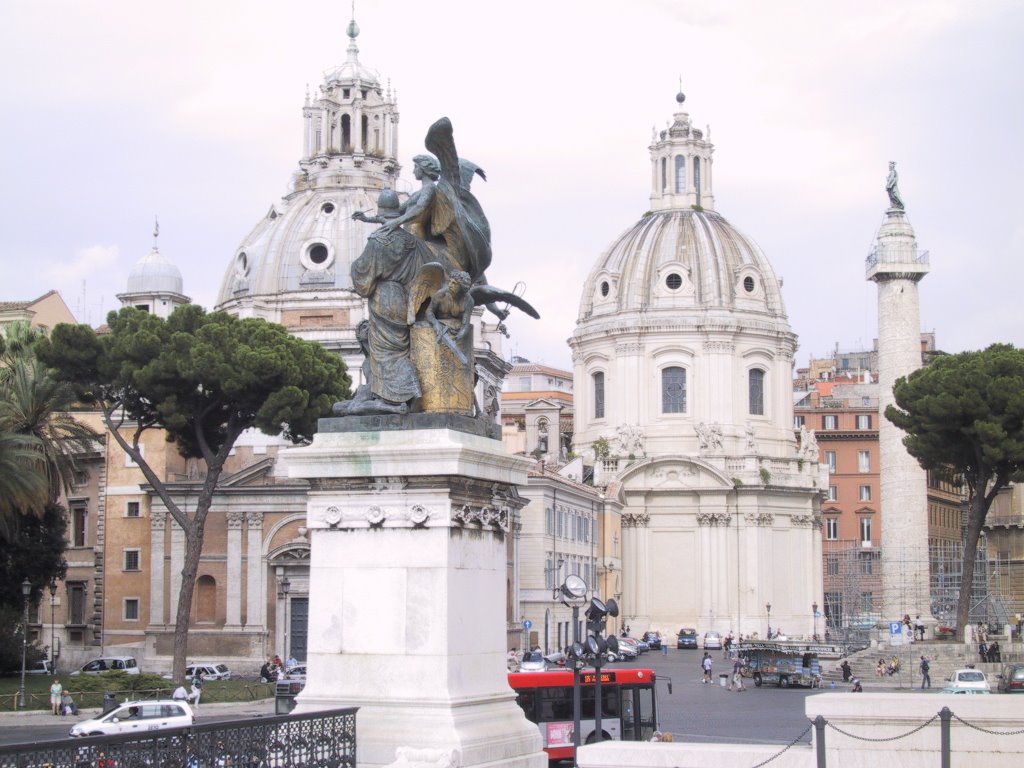
Another photo of il Vittoriano
 This is once again the statue in front of the Vittoriano.
By the way do you know what il Vittoriano is exactly?
It's a monument entitled to Vittorio Emanuele II of Savoia, first king of Italy. The project started with G. Sacconi in 1885 and was completed in 1935. The "Altare della Patria" (the central part of the monument) opened in 1925. There was buried the Unknown Warrior, symbol of all people dead during First World War. The style of Vittoriano follows Greeks and Latin criteria.
Monday, April 10, 2006
A symbol of Risorgimento

A symbol of Risorgimento, the in front of the Vittoriano...
What does Risorgimento stand for?
Italian unification (called in Italian the Risorgimento, or "Resurgence") was the political and social process that unified disparate countries of the Italian peninsula into the single nation of Italy between the 19th century and the beginning of the 20th century.
It is difficult to pin down exact dates for the beginning and end of Italian reunification, but most scholars agree that it began with the Congress of Vienna in 1815 and the end of Napoleon's rule, and largely ended with the Franco-Prussian War in 1871, though the last irredented cities did not join the Kingdom of Italy until the Treaty of Saint-Germain after World War I.(find more)
Friday, April 07, 2006
Er Califfo from Rome
This is ER Califfo... one of the legendary singers of Rome... very well know everywere... even in Denmark...
Protestiamo all together...
You have probably heard about the elections that will take place in Italy in 2 days.. sometimes election turn out to be surprising... this blog is about Rome, but allow me to make a digression and show you a video from 2003 election... a candidate from Sicily who "protests"... if you don't speak italian you will still understand what he means... :)
Thursday, April 06, 2006
Forza Roma
A video dedicated to the best soccer team in the world...it's not a matter of soccer... it's culture...
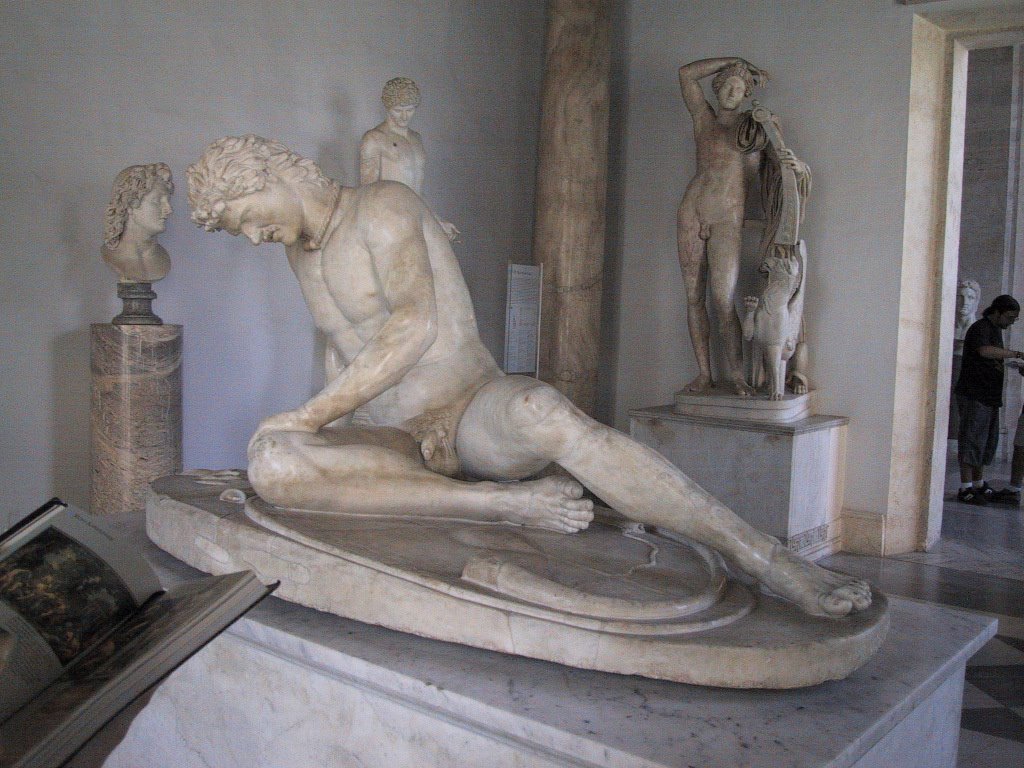
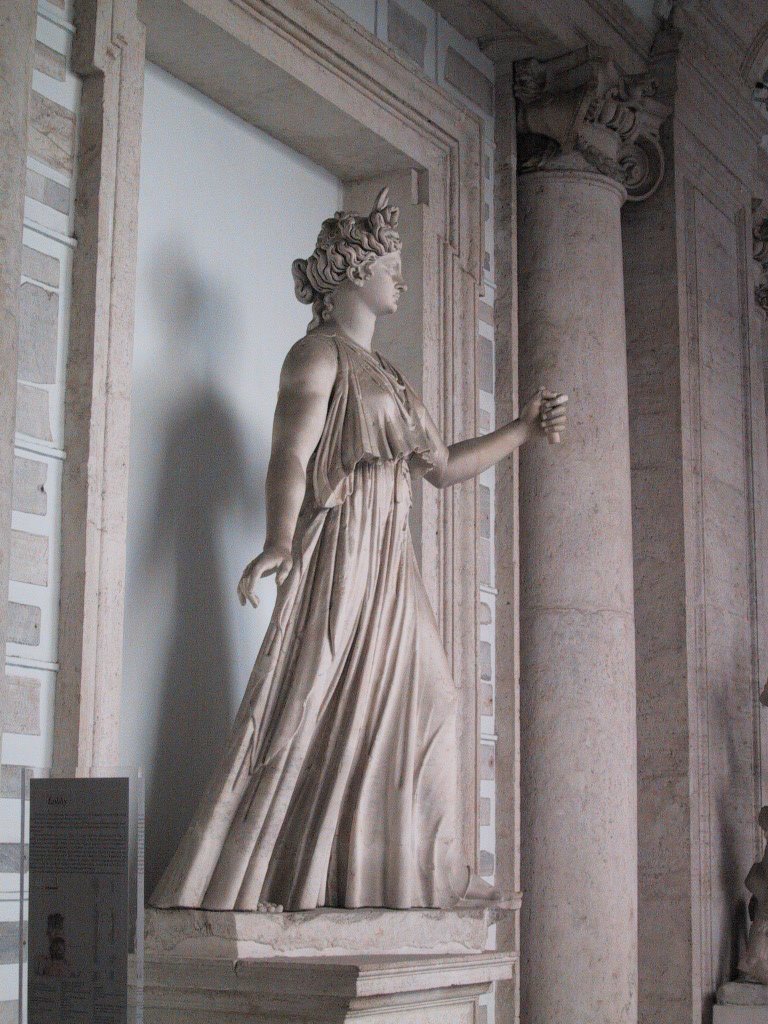
A statue in the Musei Capitolini
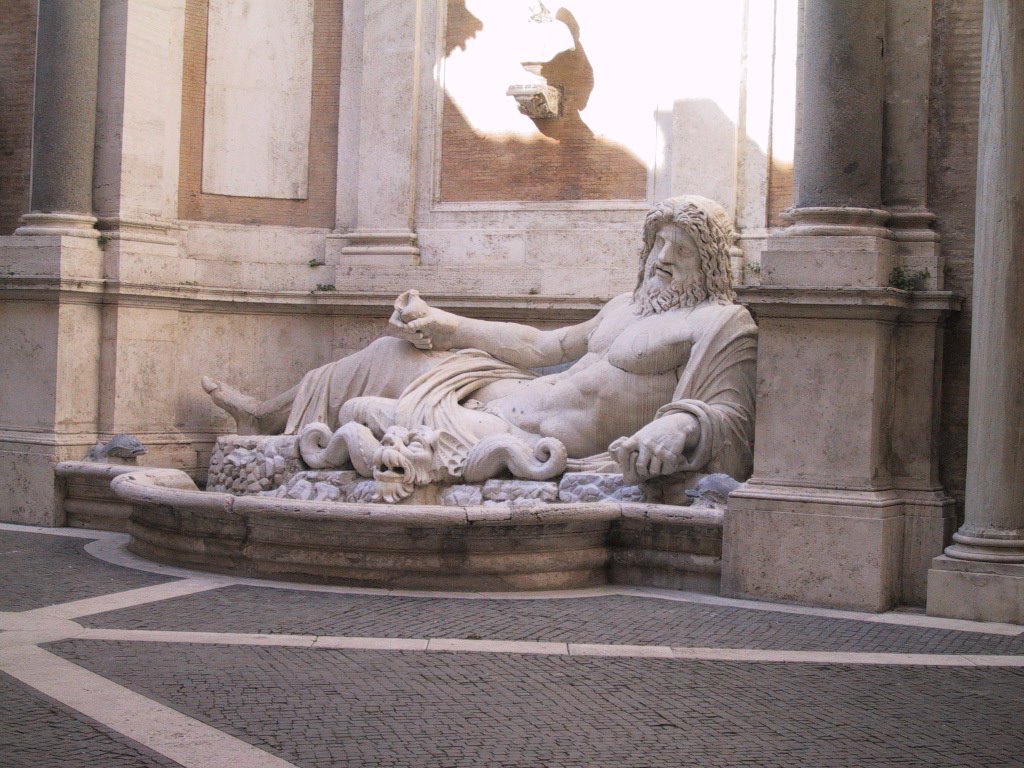 This statue is just next to the statue of Marc Aurelius... the one we saw a couple of days ago...
Wednesday, April 05, 2006
Saint Angel's Castle
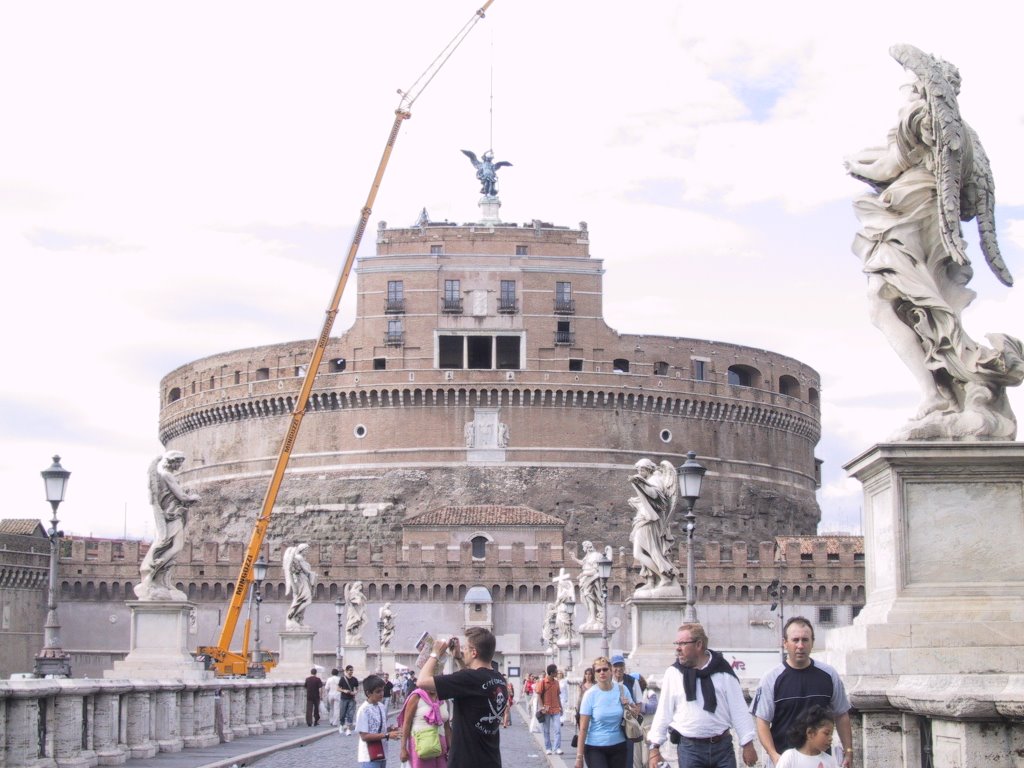 That's Castel Sant' Angelo.. a very important place for the history of Rome and roman catholic church in particular...
Marc Aurelius is better then Ronaldo
 That's a rare photo... this is the original monument of Marc Aurelius... do you think Marc Aurelius i better than Ronaldo? Why? That's the reason...
Marc Aurelius, was one of the five so-called 'Good Emperors' of ancient Rome. He was born in Rome and succeeded Antoninus Pius who had adopted him at the request of the emperor Hadrian.
This philosopher-king was a convinced Stoic, known for his fondeness of sharing power and willingness to forgive. But he was forced into endless military campaigns against Barbarian raiders from the East. As a writer his fame rests on his 'Meditations'. (more)
Tuesday, April 04, 2006
Forza Roma...
You don't need to speak italian to understand the passion and the feelings of thousands of supporters.... close your eyes... open your heart.... Forza Roma...
Monday, April 03, 2006
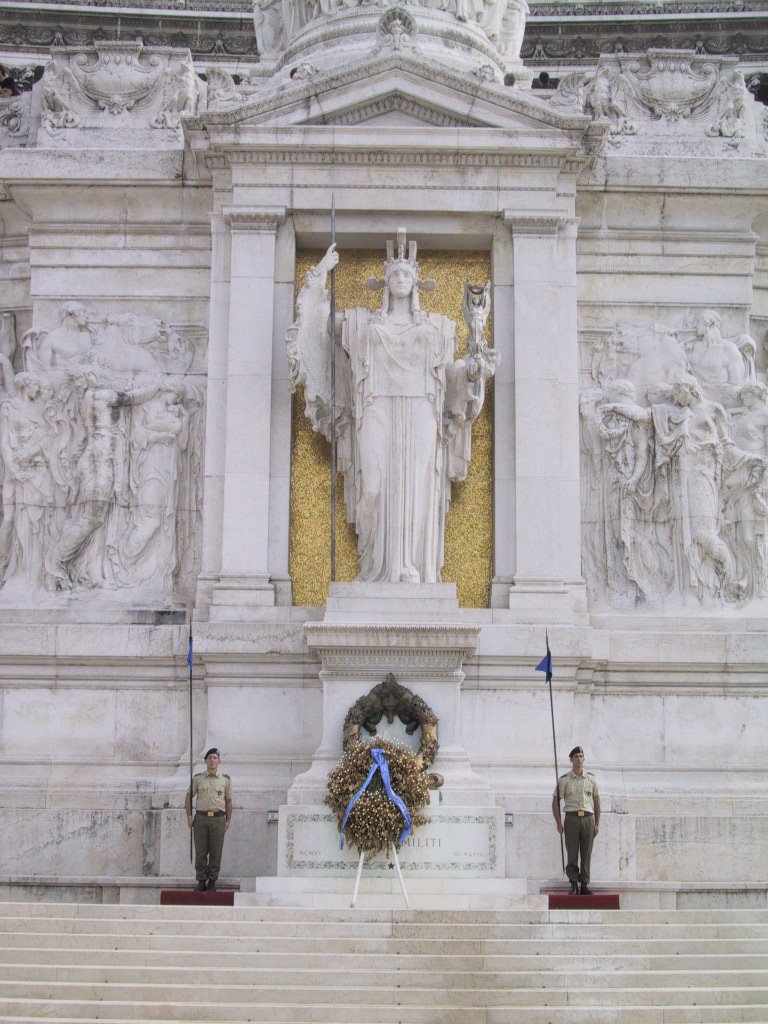
Piazza Venezia
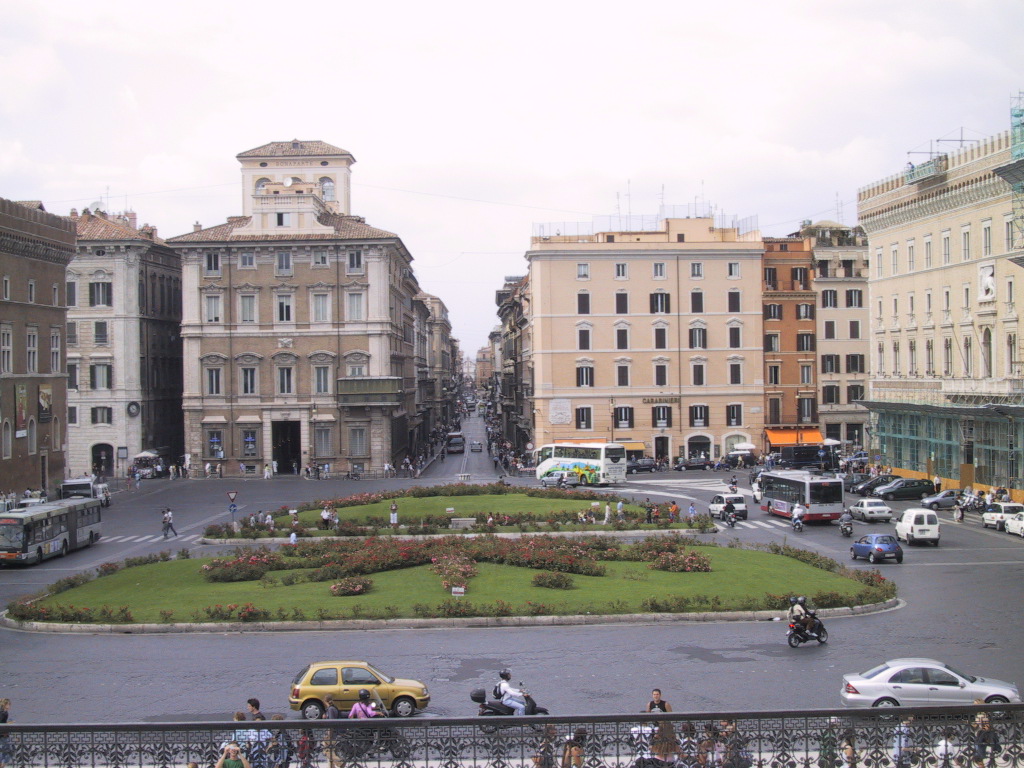 This is Piazza Venezia.. with the famous bar Brasil on the corner... you can meet there many interesting people including Er Piovra...
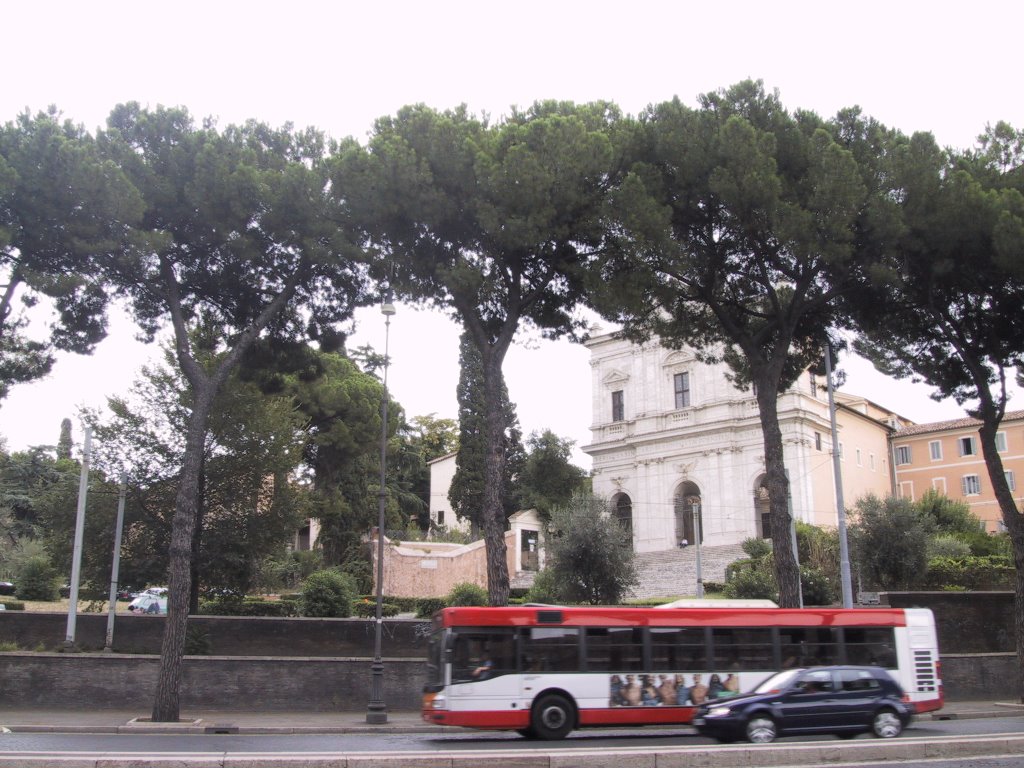
Sunday, April 02, 2006

Friday, March 31, 2006


Thursday, March 30, 2006


Tuesday, March 28, 2006

Monday, March 27, 2006
The Vittoriano behind a column...
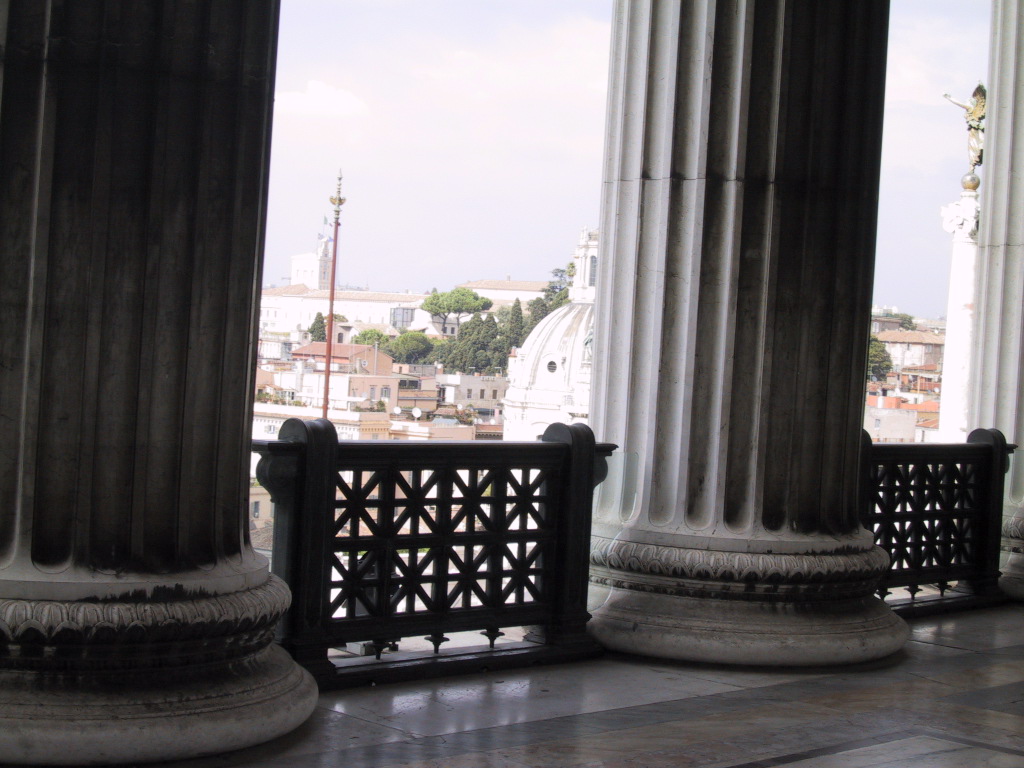 The Vittoriano behind a column... check it out when you're in Rome...
Sunday, March 26, 2006
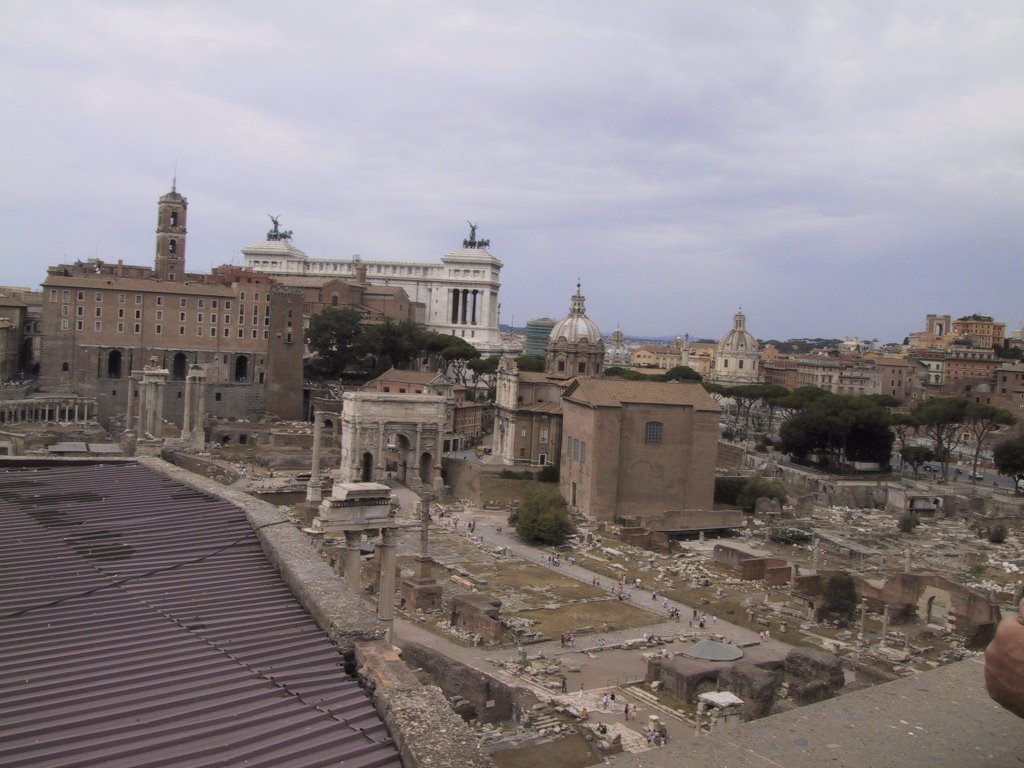
Back to the forum...

That's a photo i took for those of you who like ancient times and roman history... enjoy this view of the forum... it was the centre of social, political and commercial life during ancient times...
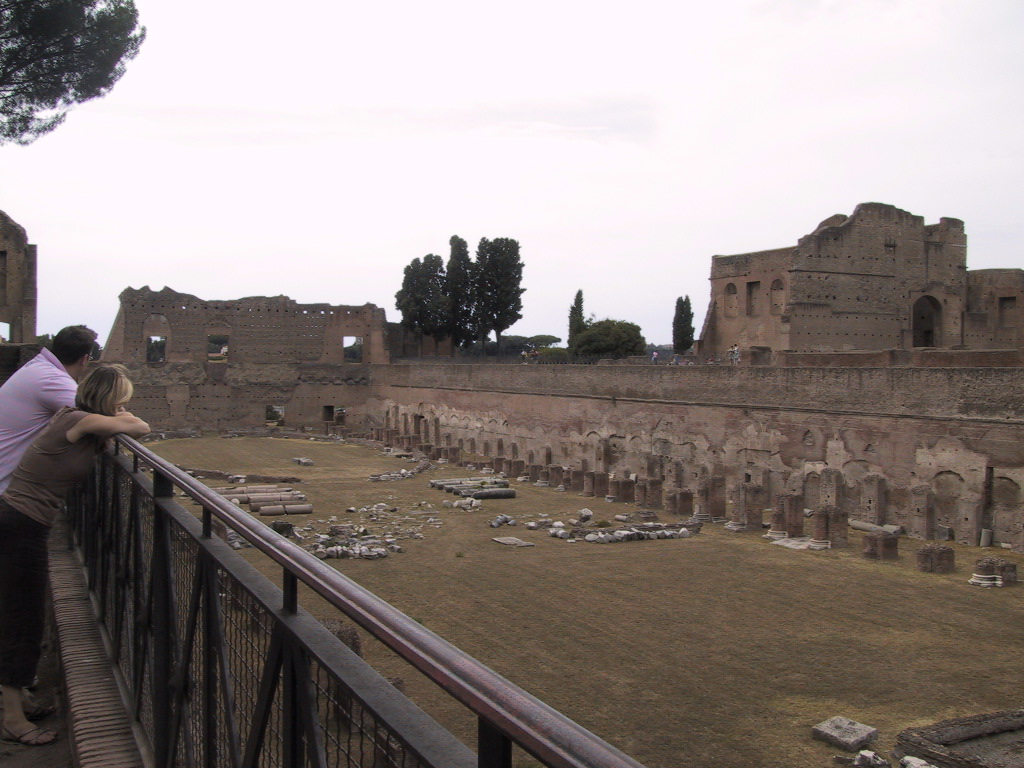
View from the hill...
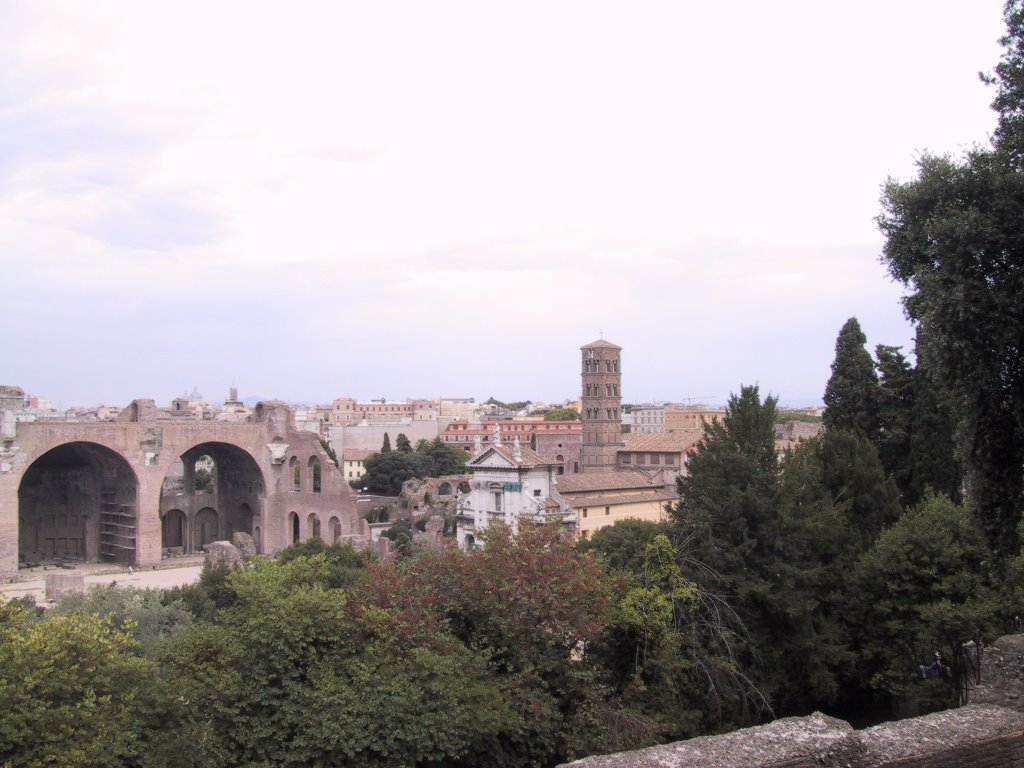
A wonderful sightseeing.... this photo was taken on one of the hills very close to the road that leads to the Colosseum...
Saturday, March 25, 2006
Vittoriano, just next to Piazza Venezia...
 A beatiful photo of the upper part of the Vittoriano, just next to Piazza Venezia...
Friday, March 24, 2006
Circo Massimo... circus maximus...
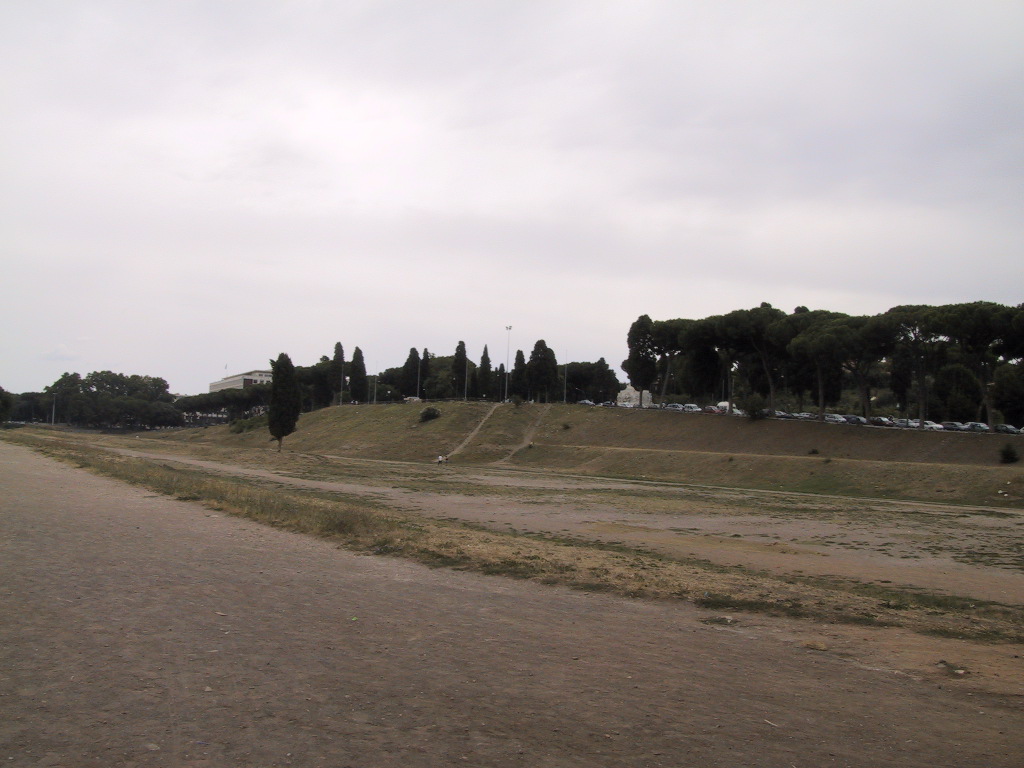 Welcome to the Circo Massimo... also described at: http://www.roma2000.it/zcircom.html
Thursday, March 23, 2006
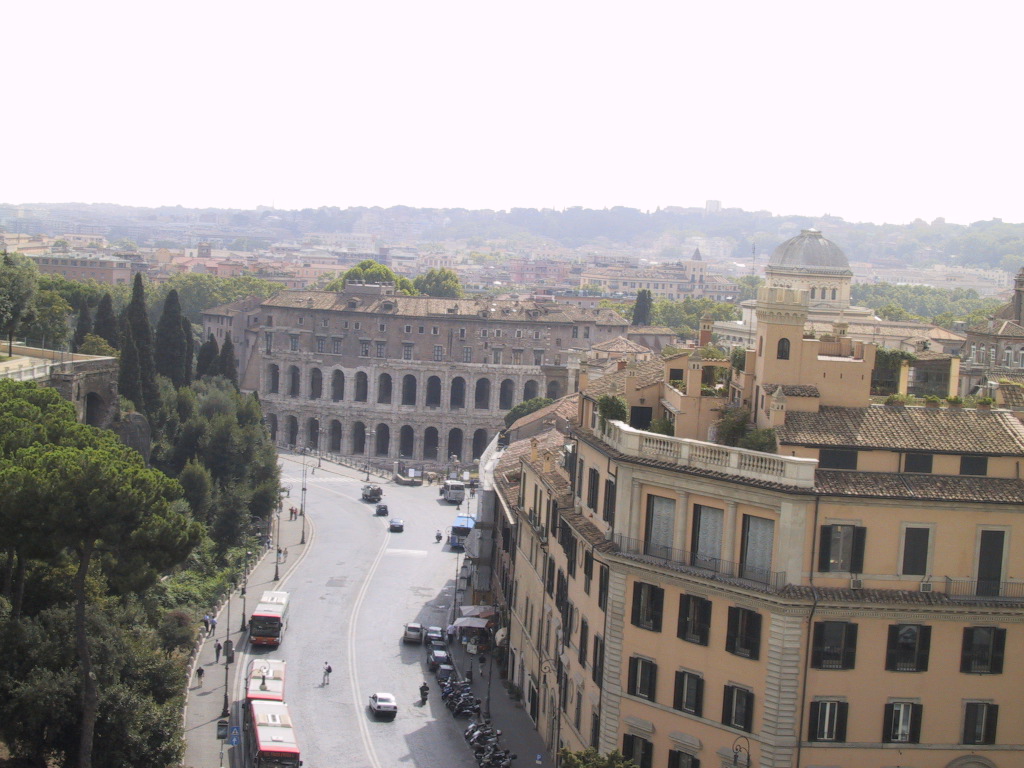
Small street, romantic days
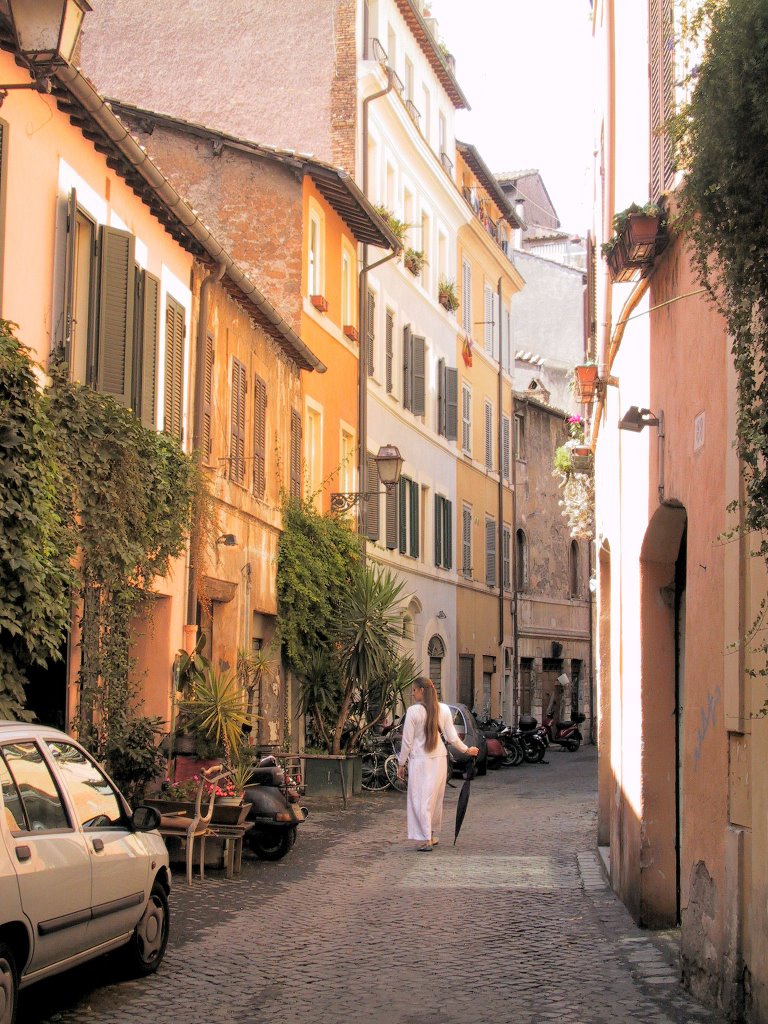 Rome is a very romantic area... the small streets in the city centre are ideal to have walk in both summer and winter...
Great roman arch...
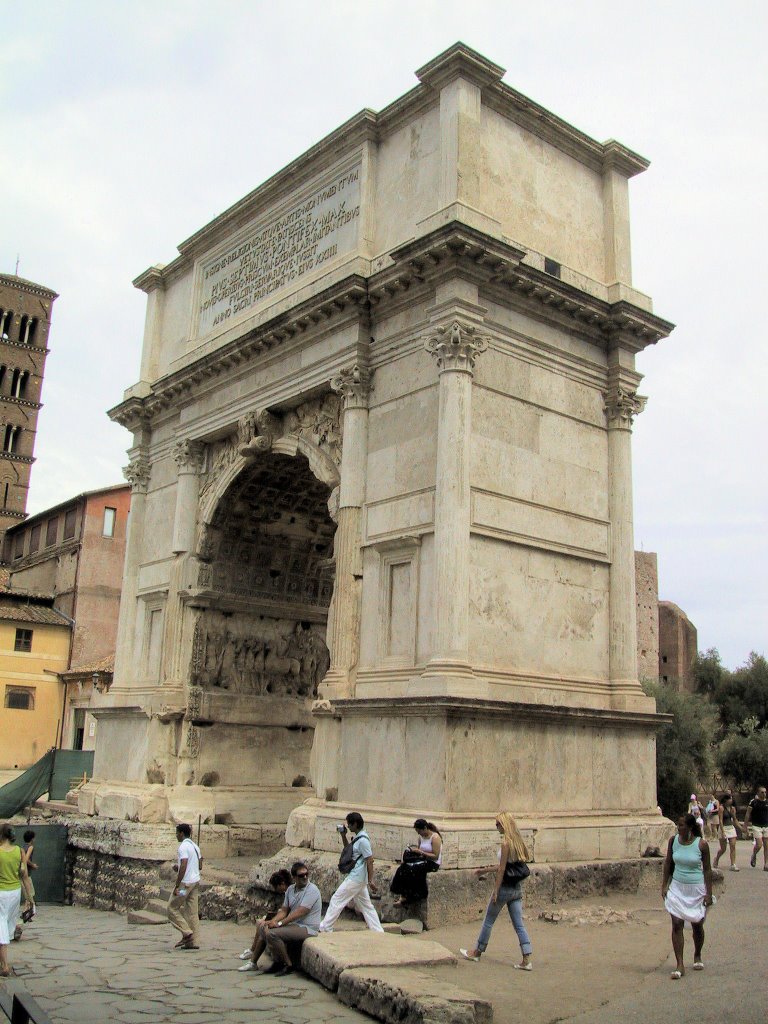 This is one of the most beatiful archs in Rome... it is found in the forum romanum area.. about 200 m from the colosseum...
Wednesday, March 22, 2006
The area next to the Mouth of the Truth
 That's the area next to the Mouth of the Truth... the picture was taken few meters from the temple, which is near the Tiber river...
Tuesday, March 21, 2006
Mouth of the Truth, inside view
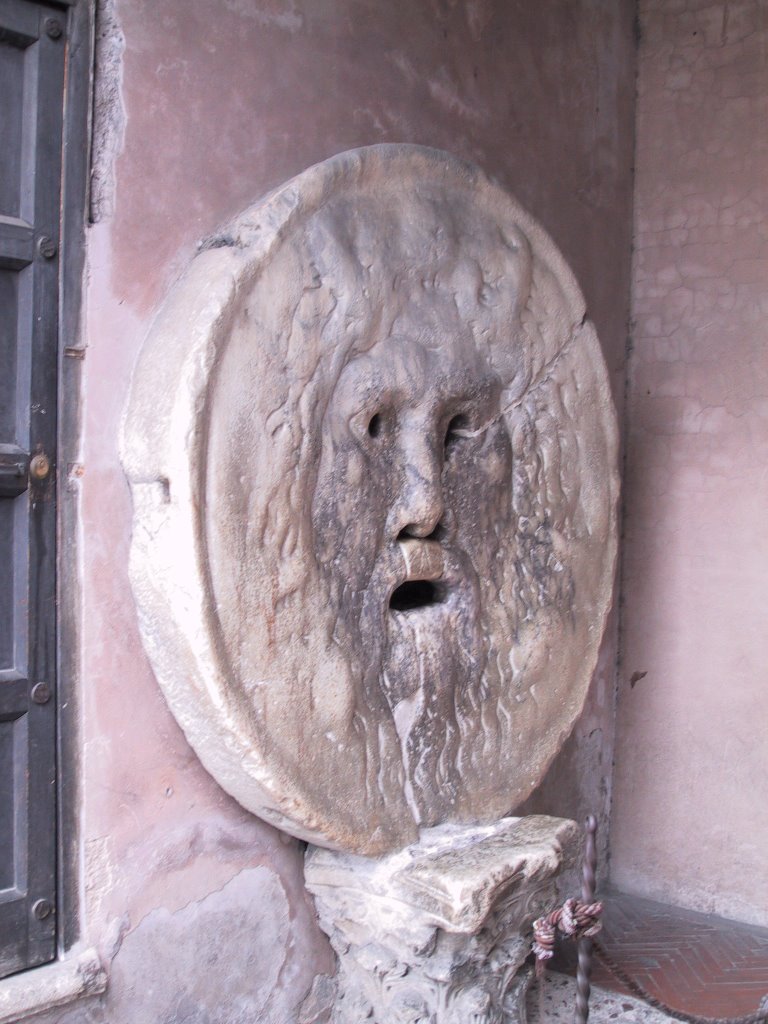
Are you a liar? Put your hand inside and it will be eaten by those dangerous mouths...
Details available at: clik here to read
Monday, March 20, 2006
Day 2 trip... the Mouth of the Truth...
 Today we visit the so called:
Bocca della Verita'...
the Mouth of the Truth...
The photo was taken outside...
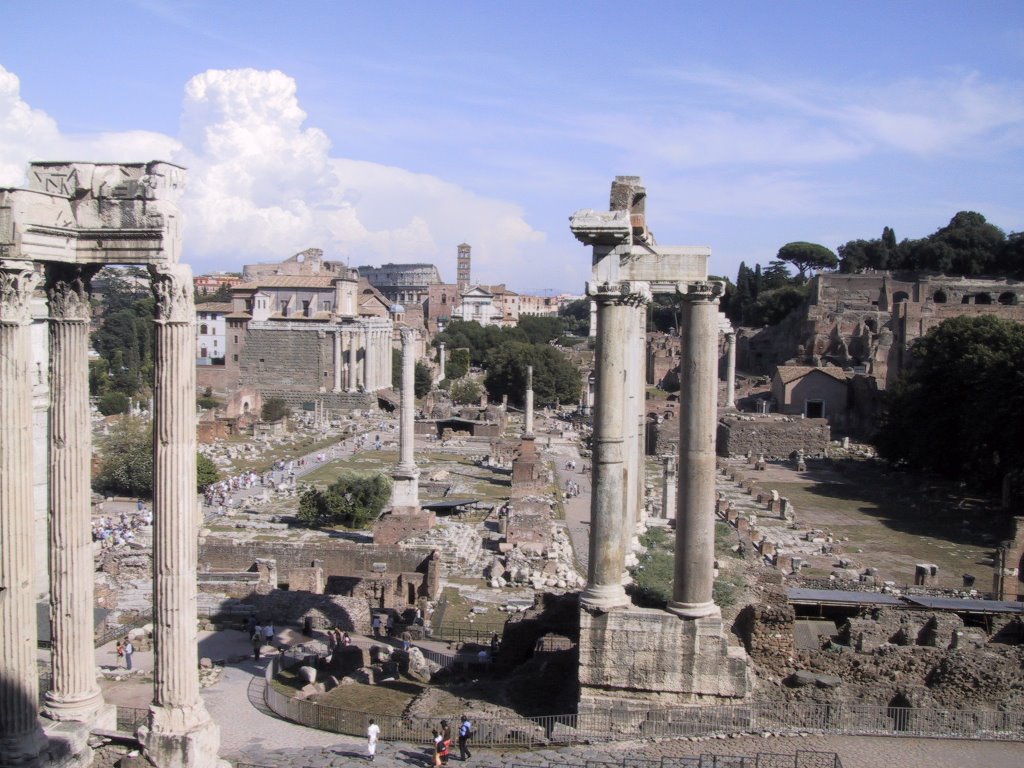
Message from Julius Caesar
The aim of this blog is to show you how beatiful and misterious is the city of Rome Italy...
Caesar
Caesar
Subscribe to:
Posts (Atom)